
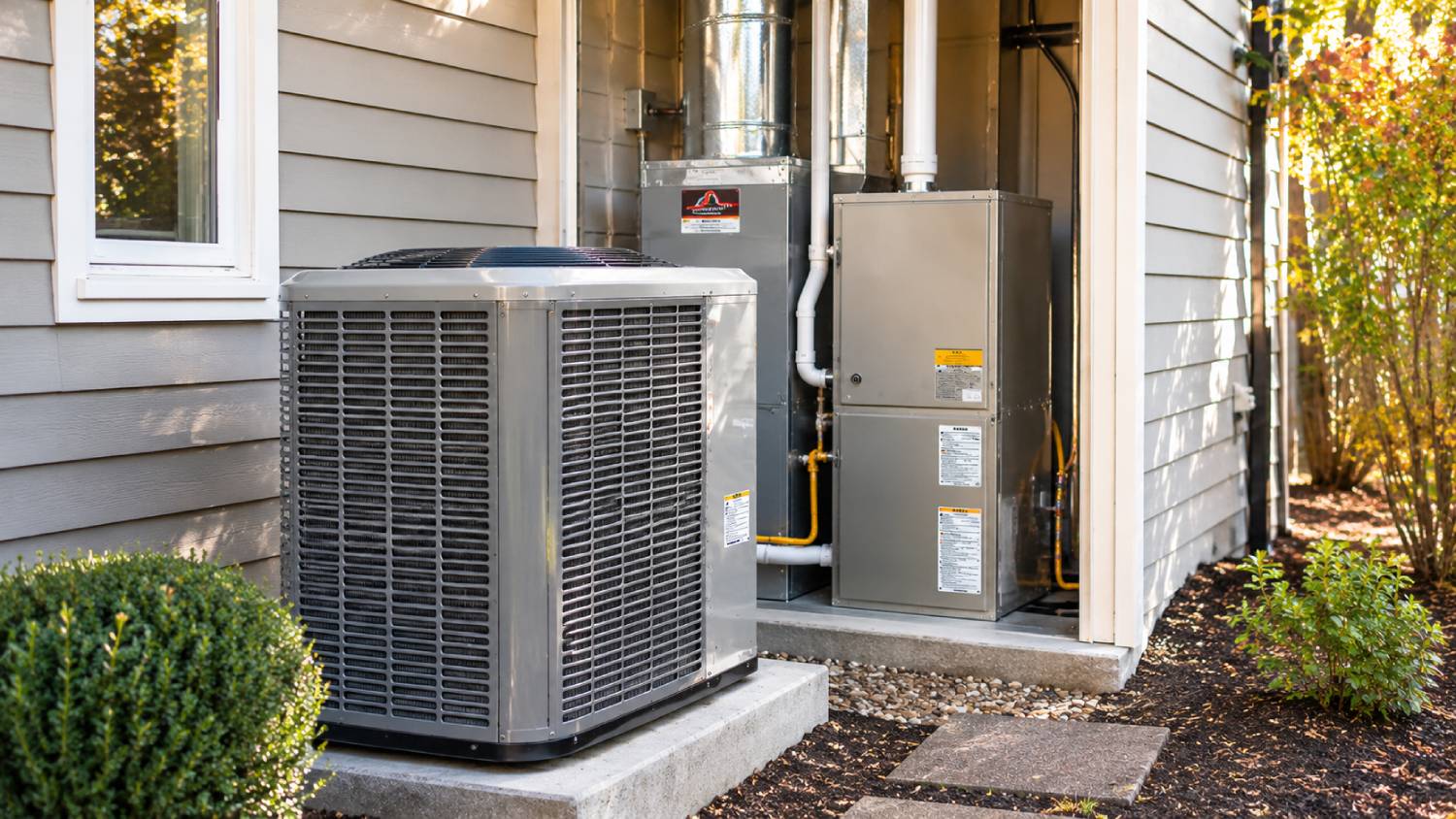

Keeping your home comfortable throughout the year can be challenging when temperatures change dramatically between seasons. Traditional heating and cooling equipment may struggle to balance energy efficiency, indoor comfort and operating costs. A dual fuel HVAC system offers an alternative by combining two heating technologies within one integrated arrangement.
Homeowners considering dual fuel HVAC systems in central Ohio can benefit from understanding how these systems operate and whether they suit their properties. By combining an electric heat pump with a gas furnace, dual fuel technology allows households to use different heating sources depending on outdoor conditions and system settings.
How Does a Dual Fuel HVAC System Work?
A dual fuel HVAC system combines an electric heat pump with a gas furnace. During moderate weather, the heat pump transfers heat from outdoor air into the home. When outdoor temperatures fall below a selected changeover point, the system switches to the furnace, which generates heat through fuel combustion.
Professional installation is important because both components must operate together correctly. Homeowners exploring dual fuel HVAC systems in central Ohio should have their existing equipment, insulation, ductwork and heating requirements assessed before upgrading. Proper system sizing and control settings help determine whether the combination will provide practical benefits.
1. Improved Energy Efficiency Throughout the Year
One major advantage of dual fuel technology is its ability to select between two heating methods. Electric heat pumps can operate efficiently during milder conditions because they transfer existing heat rather than generating it through combustion. This can reduce energy consumption compared with relying entirely on conventional electric resistance heating.
When outdoor temperatures become particularly low, the gas furnace provides an alternative heating source. The most economical changeover point depends on heat pump performance, electricity rates and gas prices. Correctly configured controls help the system operate efficiently without unnecessary switching between heating methods.
2. Better Indoor Comfort During Changing Weather
Seasonal temperature fluctuations can make consistent indoor comfort difficult to maintain. Dual fuel systems provide flexibility by using the heat pump during suitable conditions and switching to furnace heating when required. This arrangement can support reliable temperature control during changing weather.
Comfort also depends on factors beyond the heating equipment itself. Insulation, air sealing, thermostat placement and ductwork condition all influence indoor temperatures. Before installing a new system, homeowners should address obvious air leaks and airflow problems that could reduce the benefits of upgraded equipment.
3. Potential Savings on Heating and Cooling Costs
Reducing household energy expenses is an important reason homeowners consider dual fuel technology. Heat pumps can provide efficient heating during moderate weather, potentially reducing the amount of gas consumed. The same equipment also provides air conditioning during warmer months, eliminating the need for a separate conventional cooling unit.
However, financial savings depend on local energy prices, equipment efficiency and household heating patterns. Installation costs may also be higher than replacing a single component. Comparing estimated annual operating expenses and installation quotations helps homeowners understand whether the investment makes financial sense.
4. Reliable Heating During Colder Conditions
Although modern cold-climate heat pumps can perform effectively at low outdoor temperatures, their heating capacity and efficiency vary by model and operating conditions. A dual fuel arrangement provides an additional heating option through the connected gas furnace when the control system determines that switching is appropriate.
This flexibility can be particularly useful in regions experiencing significant seasonal temperature changes. However, having two heating technologies does not guarantee uninterrupted operation. Electrical failures, control problems or mechanical faults can still affect performance, making regular servicing and appropriate system design essential.
5. Greater Flexibility for Future Home Comfort Needs
A dual fuel system offers homeowners flexibility when managing heating requirements. Instead of depending on one heating technology throughout winter, the system can respond to changing conditions through programmed controls. Some arrangements also allow homeowners to adjust operating preferences according to comfort and energy costs.
This flexibility may be valuable when replacing ageing equipment or improving overall household efficiency. However, compatibility between the heat pump, furnace, thermostat and existing ductwork must be confirmed. Not every property requires a complete replacement, so professional evaluation can help identify suitable upgrade options.
What to Consider Before Installing a Dual Fuel System
Before upgrading, homeowners should review their property’s heating requirements and existing infrastructure. A qualified HVAC technician can assess whether the current furnace is compatible with a new heat pump or whether additional equipment is necessary. Available installation space, electrical capacity and outdoor unit positioning also deserve attention.
Important considerations include:
- Existing furnace condition and remaining service life
- Heat pump capacity and efficiency ratings
- Ductwork condition and airflow requirements
- Local electricity and natural gas costs
- Thermostat compatibility and control settings
- Installation expenses and maintenance requirements
A detailed assessment helps avoid unnecessary equipment replacement and supports informed decisions.
Conclusion
Dual fuel HVAC systems combine electric heat pump technology with gas furnace heating to provide flexible temperature control. Their main benefits include improved efficiency during suitable weather, consistent comfort, potential energy savings, dependable heating options and greater operational flexibility.
Before investing, homeowners should compare installation costs, existing equipment compatibility and expected operating expenses. Working with a qualified HVAC professional can help ensure the chosen system matches the property’s requirements and provides reliable heating and cooling throughout the year.