
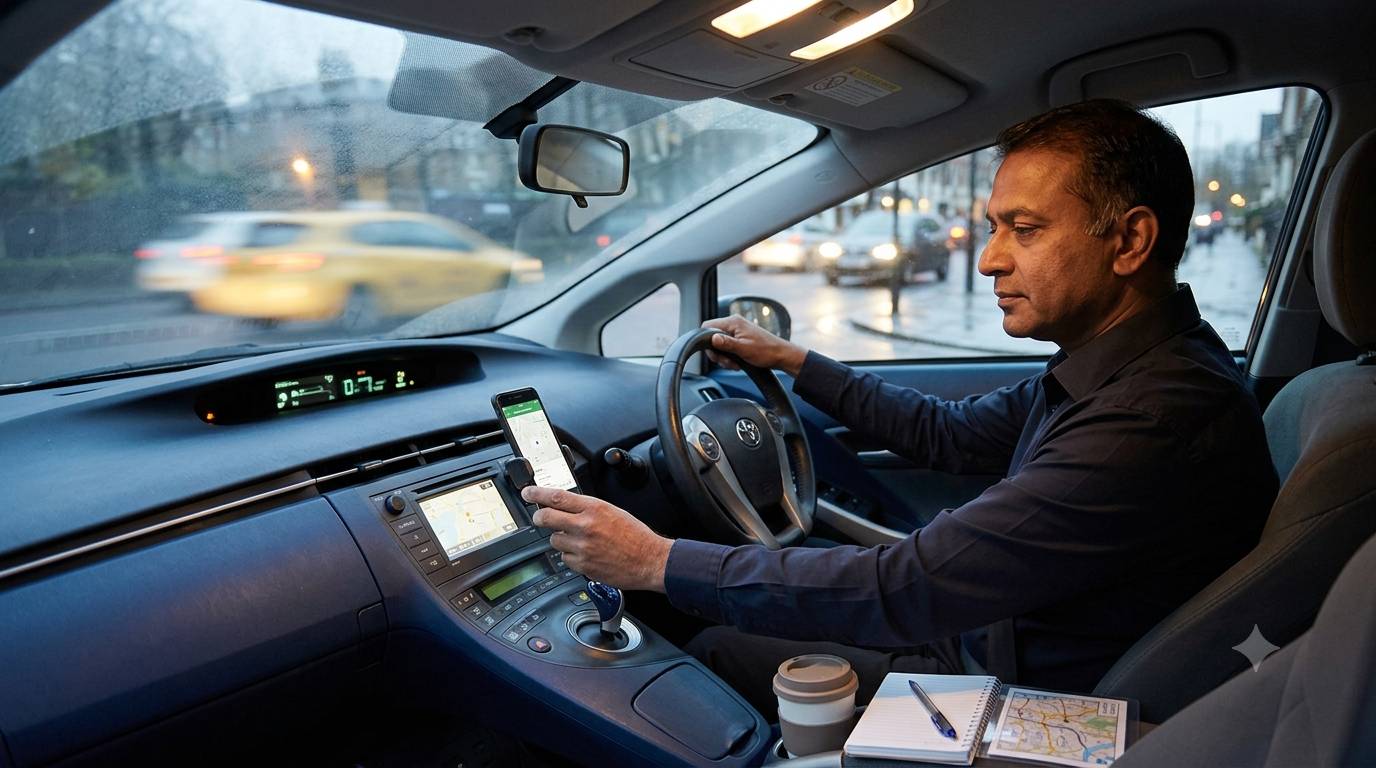

Starting work as a private hire driver involves more than having a suitable car and access to bookings. The driver, vehicle and operator arrangements all need to fit the rules that apply in the area of work. Requirements differ across the UK, so new drivers should confirm the exact process with the relevant licensing authority before carrying passengers.
Licensing comes first
In England and Wales, a person generally needs a driver licence to work in a private hire vehicle, while the vehicle itself also needs the appropriate licence. Private hire work is based on pre-booked journeys rather than passengers hailing the vehicle in the street or hiring it from a taxi rank. In other parts of the UK, different licensing systems apply, so local guidance should be checked rather than assuming one national process.
The operator arrangement matters
A private hire driver normally works through a licensed operator or holds the necessary operator licence where applicable. The booking should exist before the passenger enters the vehicle. New drivers should understand how jobs are allocated, what records are kept, how cancellations work and who to contact if there is a problem during a journey.
Insurance must match the work
Standard personal car cover is not designed for carrying paying passengers as private hire work. Drivers need suitable private hire insurance that reflects hire-and-reward use and their actual working circumstances. The policy should be checked carefully, including named drivers, vehicle details and any restrictions. If the vehicle, operator arrangement or type of work changes, the insurer may need to be told.
Know the vehicle requirements
Licensing authorities can set conditions for private hire vehicles, including standards for safety, identification and appearance. Vehicles may also be inspected. Before starting work, drivers should know when inspections or tests are due and what daily checks are expected. Tyres, lights, windows, mirrors, doors and warning lights deserve regular attention, while servicing should follow the manufacturer’s guidance.
Prepare for the passenger experience
A professional service begins before the first passenger gets in. The cabin should be clean, seat belts accessible and unnecessary items removed. Drivers should confirm the passenger and destination clearly, communicate delays where appropriate and keep personal conversations within professional boundaries. Some passengers may need extra time or assistance, and drivers should follow any legal or licensing duties that apply.
Plan the working day
Private hire can involve early starts, late finishes and periods of low demand. Drivers should think about rest, meals and realistic working hours rather than focusing only on the number of bookings. Fatigue can reduce concentration and decision-making. It is also worth planning where the vehicle can be safely parked between jobs without causing an obstruction or breaching local restrictions.
Keep records organised
Important dates should not depend on memory. A calendar can track licence renewals, vehicle inspections, servicing and private hire insurance renewal. Receipts and work records are easier to manage when stored consistently throughout the year. Drivers who are self-employed or running a business should also understand their tax and record-keeping responsibilities and seek professional advice where needed.
Starting well means building routines before the workload becomes busy. Licensing, bookings, vehicle condition and suitable private hire insurance should be settled before the first fare, not corrected afterwards. A new driver who understands local rules, keeps the vehicle roadworthy and treats passengers professionally has a stronger foundation for reliable work.
Understand payments and customer information
Before taking jobs, drivers should know how fares or charges are communicated and how payment is handled through the operator or platform. They should also understand what passenger information they can see and how it should be protected. Names, phone numbers, addresses and journey details should be treated as work information, not material to discuss or share casually. Clear procedures reduce mistakes and support passenger confidence. New drivers should also learn who to contact for licensing, operator and vehicle questions, so uncertainty can be resolved before it affects a booking.