
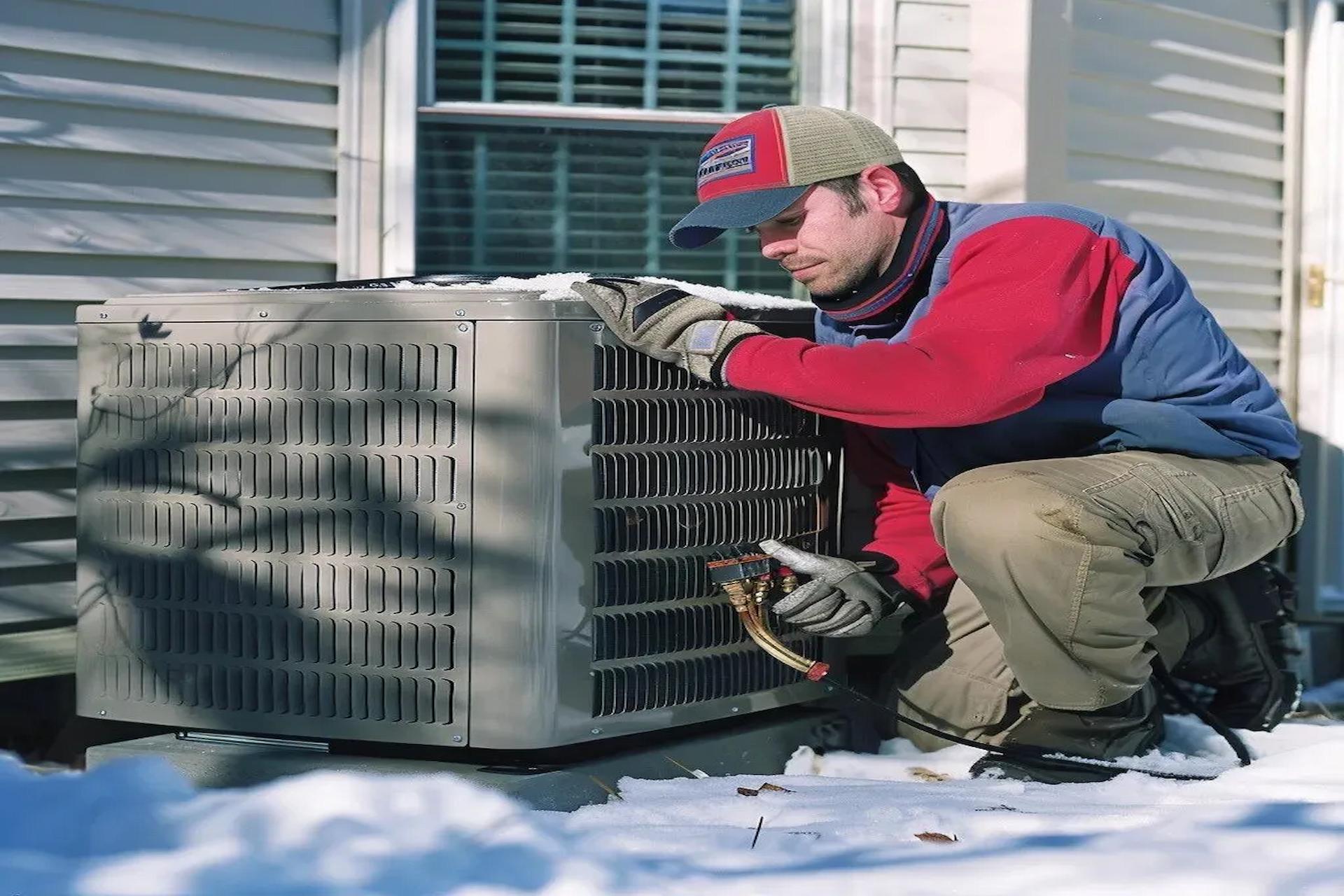

As the crisp autumn air turns into a freezing winter chill, your home’s comfort depends on one machine. Your HVAC system is the heartbeat of your household during the coldest months. Preparing your heater now ensures it runs reliably when you need it most. Following a thorough fall prep checklist for your HVAC system is the best way to start the season. This proactive approach helps you catch small mechanical issues before they become expensive disasters. A well-maintained system provides consistent warmth and a much safer living environment for your family.
Winter puts a lot of strain on your heating equipment. In many American homes, the furnace or heat pump runs almost continuously to combat sub-zero temperatures. This constant operation leads to significant wear and tear on internal components. Without a pre-winter inspection, your system might fail during the season’s first major snowstorm. Emergency repairs during peak winter months are often more expensive and harder to schedule. Taking the time to inspect your unit now protects your budget and your peace of mind.
The Financial Benefits of Early Maintenance
Efficiency is the primary goal of any pre-winter HVAC tune-up. When your system is clean and calibrated, it uses less energy to produce heat. This directly results in lower monthly utility bills throughout the winter. Many homeowners see a noticeable spike in costs because their heaters are struggling to breathe. An inspection identifies these friction points and resolves them quickly. By spending a little on maintenance now, you save hundreds on energy costs later.
A professional technician can also extend the overall lifespan of your equipment. HVAC systems are significant investments that should last fifteen to twenty years. However, neglect can cut that lifespan in half. Dust buildup and loose connections force the motor to work harder than necessary. This extra strain leads to premature part failure and total system burnout. Using a fall prep checklist for your HVAC system ensures every part is ready for the long winter haul.
Replace or Clean Your HVAC Air Filters
One of the simplest yet most important tasks is checking your air filters. A dirty filter acts like a wall, blocking the flow of warm air into your rooms. This restriction forces your blower motor to run longer and hotter to compensate. You should replace your filters every 1 to 3 months, depending on your home’s needs. If you have pets or allergies, you may need to change them even more frequently.
- Buy high-quality pleated filters for better particle capture.
- Check the filter size printed on the side of the old unit.
- Ensure the filter arrow points toward the furnace.
- Keep a small stock of filters in your utility room for quick changes.
- Mark your calendar so you never forget a monthly replacement.
Clean filters do more than save money on energy. They also significantly improve indoor air quality. During winter, we keep windows closed, trapping dust and dander inside. A fresh filter captures these pollutants, preventing them from circulating through your living spaces. This makes your home healthier for everyone, especially those with respiratory issues.
Inspect and Clean Your Air Ducts
Your air ducts are the highways that deliver warmth to every corner of your house. Over time, these ducts can collect thick layers of dust, mold, and even pest debris. This buildup creates resistance, making your HVAC system much less efficient. Furthermore, holes or gaps in the ductwork allow heated air to escape into your attic, costing you money. This is throwing money away every time the heater kicks on.
Scheduling a professional duct inspection ensures your system is airtight and clean. A technician can seal leaks with specialized mastic or metal tape. Sealing your ducts can reduce energy loss by up to 20% in some homes. This step ensures that every bit of heat you pay for actually reaches your bedrooms. Clean ducts also mean less dusting for you during the winter months.
Test Your Thermostat for Total Accuracy
The thermostat is the brain of your heating and cooling system. If it is not calibrated correctly, your home may feel too cold or too hot. Before the snow falls, test your thermostat to ensure it maintains a consistent temperature. If your house feels chilly despite the thermostat being set high, the sensor might be failing. It is also a great time to check the batteries in your wall unit.
Consider upgrading to a programmable or smart thermostat this year. These devices allow you to set lower temperatures while you are at work or sleeping. You can then schedule the heat to rise right before you wake up or return home. Proper management of your heating schedule can reduce your annual bills by 15%. Smart thermostats also let you monitor your home’s temperature on your smartphone.
Inspect Furnace and Heat Pump Performance
The core components of your heater need a close physical examination. Technicians look at the burners and ignition systems to ensure they light safely. They also check the heat exchanger for any cracks or severe corrosion. A cracked heat exchanger is a serious safety hazard that requires immediate professional attention. The blower motor should also be tested for consistent speed and quiet operation.
Listen for any unusual noises when your system starts up. Banging, whistling, or screeching sounds often indicate a part is about to fail. Frequent cycling, where the heater turns on and off rapidly, is another warning sign. These issues suggest that the system is struggling to maintain the desired temperature. An annual inspection catches these problems before they lead to a total system shutdown.
Lubricate Moving Parts and Check Electricals
Friction is the enemy of any mechanical system with moving parts. Your HVAC system contains various motors, fans, and bearings that spin at high speeds. Without proper lubrication, these parts generate heat and eventually seize. A technician will apply the correct oils to keep everything spinning smoothly. This simple step reduces the electrical draw and prevents the motor from overheating.
Electrical connections also require regular tightening and inspection. Vibrations from the system can cause wires to wiggle loose over time. Loose connections can lead to intermittent power or even dangerous electrical shorts. A professional will check all wiring, circuit boards, and capacitors for signs of damage. Ensuring a solid electrical path keeps your system running safely and efficiently all winter.
Seal Air Leaks and Check Safety Systems
Your HVAC system does not work in a vacuum. The efficiency of your heater depends on how well your home retains heat. Inspect your windows and doors for drafts that let cold air inside. Use weatherstripping or caulk to seal any gaps you find around the frames. You should also check the insulation levels in your attic and crawl spaces. Proper insulation acts like a blanket, keeping the heat inside where it belongs.
Safety should always be your top priority when dealing with heating systems. Gas and oil furnaces produce carbon monoxide as a byproduct of combustion. If the system is not venting properly, this odorless gas can enter your home. Test your carbon monoxide detectors and replace the batteries every fall. A professional safety check ensures your vent pipes are clear of any bird nests or debris.
Schedule Your Professional Tune-Up Today
While some tasks are easy to do yourself, others require a certified expert. A professional HVAC tune-up is a comprehensive service that covers every inch of your system. Technicians have specialized tools to measure airflow, gas pressure, and electrical output. They can perform deep cleaning that a standard vacuum cannot reach. This preventive maintenance is the best insurance policy for your home’s comfort.
Booking your appointment early in the fall is highly recommended. HVAC companies get extremely busy once the first freeze hits the area. By scheduling now, you can choose a time that works with your busy schedule. You will enter the winter season knowing your system is in peak condition. A well-maintained heater is a quiet, efficient, and reliable partner during the long Iowa winters.
Conclusion
Investing in a pre-winter HVAC inspection is the smartest move a homeowner can make this season. By following a consistent maintenance schedule, you ensure your family stays warm without breaking the bank. Simple tasks like changing filters and sealing leaks can lead to massive energy savings. Remember that a little preparation today prevents a cold and expensive emergency tomorrow. Give your heating system the professional attention it deserves and enjoy a cozy, worry-free winter in your comfortable home.