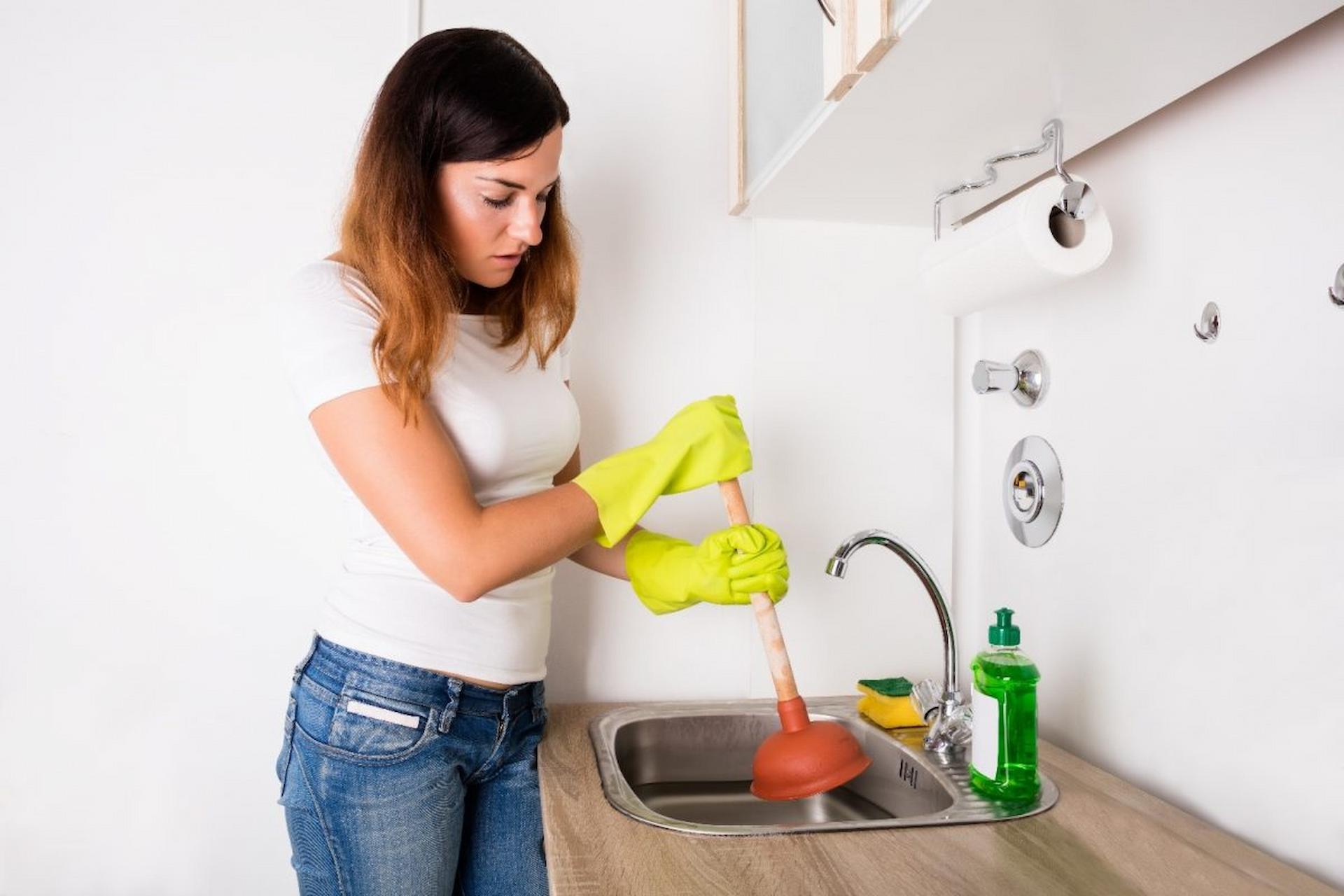

Blocked drains and small leaks are easy to overlook. A slow-draining sink or a faint drip under the tap may not seem urgent, but these minor issues often signal deeper problems within your plumbing system. Left unresolved, they can escalate into costly repairs, structural damage, and even health hazards.
Addressing problems early—through professional drain cleaning and leak detection—can save both time and money. Below are the hidden risks every homeowner should understand before ignoring what seems like a minor inconvenience.
1. Structural Damage to Your Property
Water is one of the most destructive forces in a home. Even a small, persistent leak can seep into walls, floors, and foundations over time. This weakens structural integrity, leading to warped flooring, cracked walls, and compromised support beams.
In many cases, the damage remains hidden until it becomes severe. Repairing structural issues is far more expensive than fixing the original leak, making early intervention essential.
2. Clogged Drains Leading to Full Blockages
Blocked drains rarely resolve themselves. Instead, they worsen as debris accumulates, eventually leading to complete blockages, often requiring professional drain cleaning leak detection to identify and fix underlying issues.
Once fully blocked, drains can cause wastewater to back up into sinks, showers, or even your home’s interior. This not only disrupts daily life but also creates unsanitary conditions that require urgent attention.
3. Mould and Mildew Growth
Moist environments created by leaks are ideal for mould and mildew to thrive. These fungi can spread quickly behind walls, under flooring, and in poorly ventilated areas.
Mould exposure is linked to respiratory issues, allergies, and other health concerns. For households with children or elderly residents, the risks are even greater. What starts as a minor leak can quickly turn into a serious indoor air quality problem.
4. Increased Water Bills
A dripping tap or leaking pipe may seem insignificant, but the cumulative effect can be substantial. According to industry estimates, a single dripping tap can waste thousands of liters of water annually.
This unnecessary waste directly impacts your utility bills. Over time, the cost of wasted water often exceeds the expense of repairing the issue in the first place.
5. Damage to Appliances and Fixtures
Leaks near appliances such as dishwashers, washing machines, or water heaters can lead to long-term damage. Moisture can corrode internal components, reduce efficiency, and shorten the lifespan of these systems.
Replacing appliances prematurely is far more costly than addressing the plumbing issue causing the damage.
6. Unpleasant Odors in Your Home
Blocked drains often trap organic matter, which decomposes and produces foul smells. These odors can spread throughout your home, making living spaces uncomfortable.
Persistent smells are not just unpleasant—they can also indicate bacterial growth within your plumbing system, signaling the need for immediate cleaning.
7. Pest Infestations
Standing water and damp conditions attract pests such as cockroaches, flies, and rodents. Blocked drains can become entry points or breeding grounds for these unwanted visitors.
Once pests establish themselves, they can be difficult and costly to remove. Preventing the conditions that attract them is far more effective than dealing with an infestation later.
8. Reduced Water Pressure
Leaks in your plumbing system can disrupt water flow, leading to inconsistent or reduced water pressure. This affects everyday activities such as showering, washing dishes, and doing laundry.
Low pressure is often a symptom of a larger issue, and ignoring it can allow hidden damage to worsen over time.
9. Hidden Pipe Corrosion
Small leaks often indicate underlying corrosion within pipes. Over time, corrosion weakens pipes, increasing the likelihood of sudden bursts.
Pipe bursts can cause extensive flooding and require emergency repairs. Identifying and resolving early signs of corrosion helps prevent such costly incidents.
10. Emergency Plumbing Situations
What begins as a minor inconvenience can quickly escalate into an emergency. A blocked drain can overflow, or a small leak can turn into a major rupture without warning.
Emergency plumbing repairs are not only stressful but also significantly more expensive. Preventive maintenance is always the more practical and cost-effective approach.
In Conclusion
Ignoring blocked drains and minor leaks may seem harmless in the short term, but the long-term consequences can be severe. From structural damage and health risks to increased bills and emergency repairs, these issues rarely remain minor for long. Taking a proactive approach ensures your home remains safe, efficient, and cost-effective to maintain. Addressing problems early is not just about convenience—it is a critical step in protecting your property and wellbeing.