
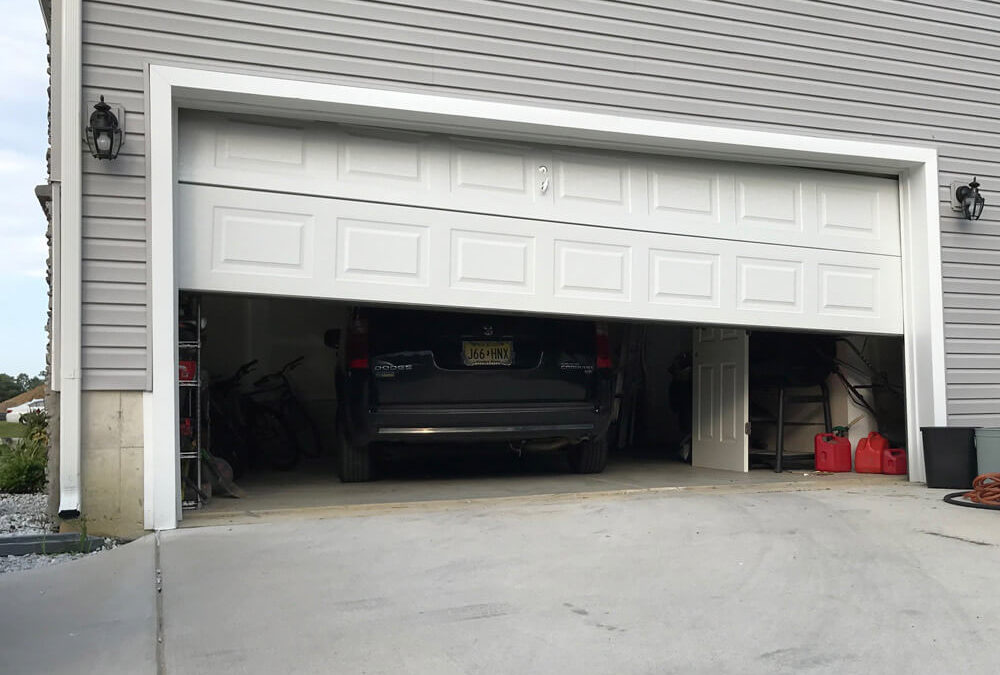

A noisy garage door can be more than just an irritation—it’s often a sign of a deeper mechanical problem. Ignoring unusual sounds could lead to bigger issues, expensive repairs, or even a safety risk. Understanding what these noises mean can help you act quickly and keep your garage door functioning smoothly.
Familiar Sounds and What They Indicate
Every sound from a garage door tells a story. A squeaking or screeching noise usually signals a lack of lubrication. Hinges, rollers, and tracks all require regular oiling to reduce friction. A grinding sound might indicate worn rollers or misaligned tracks.
If your door makes a loud banging or snapping sound, it could indicate a broken spring. Springs carry most of the door’s weight, and when one breaks, the balance is lost. Fixing this yourself can be risky, which is why calling experts who offer affordable garage door repairs for broken springs is the safest solution.
When the Noise Means Trouble
Repeated clicking, popping, or rattling noises can indicate that screws and bolts have loosened over time. Vibrations from daily use gradually loosen hardware, which affects the door’s alignment and movement. Regular inspection can prevent this from escalating into a costly issue.
Sometimes, the problem lies in the opener mechanism. If you hear a humming or buzzing sound but the door doesn’t move, the motor might be straining. This could indicate an electrical issue or that the opener is nearing the end of its lifespan. Skilled technicians who provide affordable garage door repairs for broken springs can also inspect motors, sensors, and cables for wear.
The Importance of Identifying Early Warning Signs
Catching early signs of malfunction saves time and money. A door that screeches today might stop working completely tomorrow if neglected. Minor adjustments, lubrication, or part replacements are far less expensive than full door repairs. The sooner you act, the safer and quieter your garage door will be.
A complete guide to garage door repair emphasises preventive care as the most cost-effective approach. Checking the balance, tightening bolts, and cleaning the tracks every few months can significantly extend your system’s life.
The Role of Springs, Rollers, and Tracks
Springs are the backbone of your garage door system. When they weaken or break, the door struggles to lift. Replacing springs requires professional tools and experience, making it unsafe for homeowners to attempt. Rollers, on the other hand, help the door glide smoothly. When they rust or crack, friction increases, creating that unpleasant grinding or screeching sound.
Tracks must also remain straight and debris-free. Even a slight bend or obstruction can throw off the door’s movement. Regular cleaning and alignment checks form part of any complete guide to garage door repair, ensuring each component works harmoniously.
Simple Maintenance Tips to Keep Noises Away
Preventing noise starts with good maintenance habits.
- Lubricate hinges, rollers, and tracks every few months.
- Tighten loose bolts and screws.
- Clean the tracks to remove dirt and small stones.
- Test the balance by disconnecting the opener and lifting the door halfway—it should stay in place.
- Schedule professional servicing once a year to identify hidden problems early.
When to Call a Professional
While basic cleaning and lubrication are easy to do at home, mechanical failures or spring-related issues require expert attention. Professionals have the right tools and safety training to fix the problem without risking injury. A qualified technician can also identify whether your motor, cables, or opener needs repair or replacement.
If you notice persistent noise even after maintenance, or if the door becomes jerky or uneven, it’s time to book a service appointment. Timely professional help prevents minor issues from turning into costly breakdowns.
Why Professional Repairs Are Worth It
Professional garage door repairs offer lasting results and peace of mind. Technicians don’t just fix the immediate problem—they inspect the entire system for potential weak points. They can also recommend upgrades that enhance safety and performance. Investing in professional care ensures your garage door remains smooth, quiet, and reliable for years.
Furthermore, certified repair services often provide warranties on labour and parts. This means that if a repaired part fails within a set period, you can have it repaired again at no extra cost. That reassurance is something DIY solutions can’t match.
Final Thoughts
A noisy garage door is your home’s way of signalling that something isn’t right. By recognising the types of sounds and acting promptly, you can prevent expensive repairs and maintain safety. Whether it’s a worn roller, a misaligned track, or a broken spring, addressing the problem early ensures your door remains functional and secure. Professional inspection and maintenance are key to extending its life and keeping your daily routine hassle-free.