
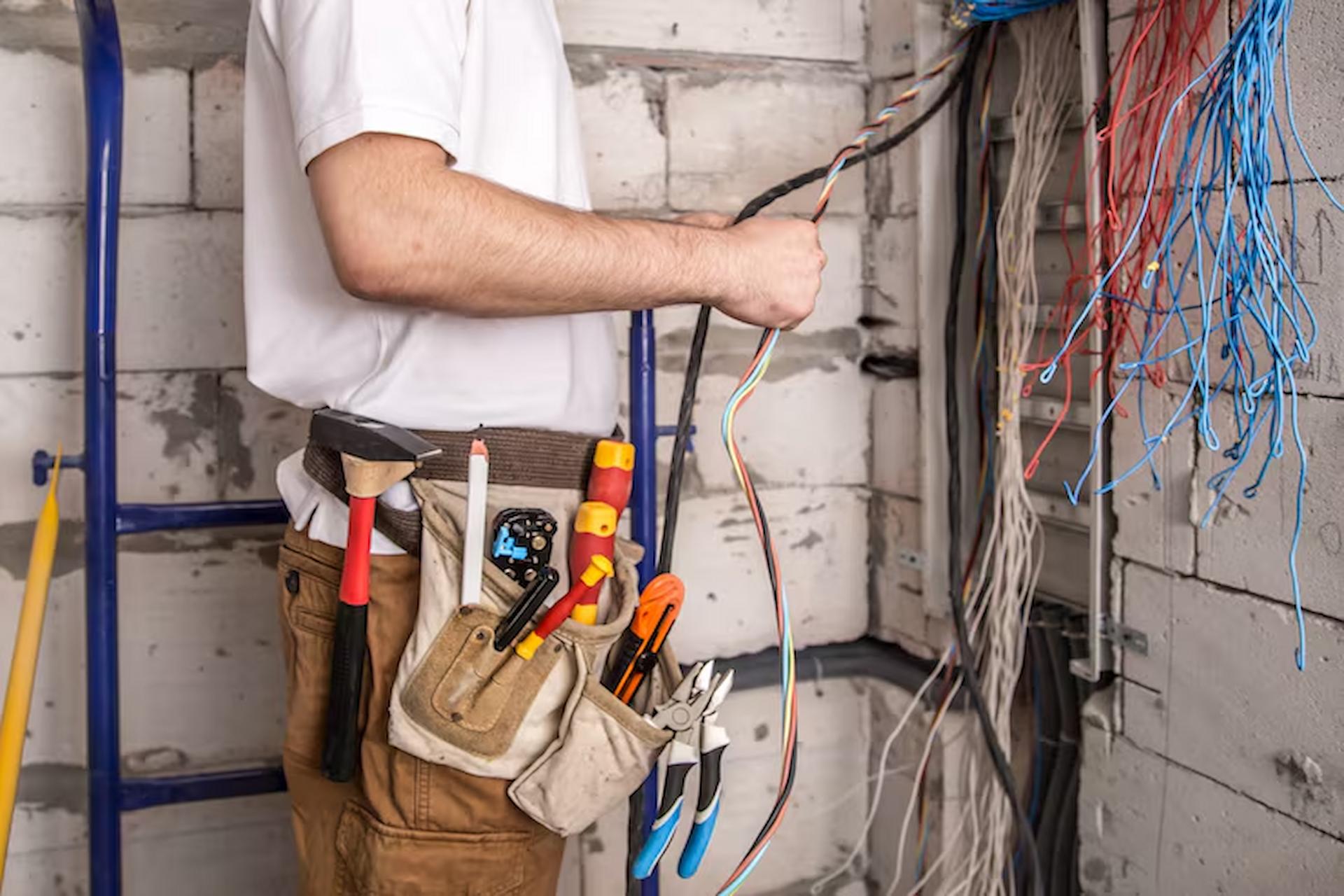

Electrical infrastructure within residential properties operates continuously behind drywall and under floorboards, making gradual degradation easy to overlook. Modern homes draw significantly more power today than properties constructed several decades ago, placing tremendous strain on legacy branch circuits. Understanding when aging conductor insulation, obsolete panel designs, or ungrounded wiring configurations cross the line from minor inconvenience to severe fire hazard allows homeowners to make informed safety decisions. You will explore critical diagnostic indicators and technical benchmarks for updating residential electrical networks.
Outdated wiring systems lack the insulation integrity and physical grounding conductors necessary to safely support high-wattage kitchen appliances, climate control systems, and sensitive personal electronics. Ignoring hidden thermal degradation inside junction boxes exposes your entire household to persistent arcing hazards and sudden breaker trips. Partnering with a licensed electrician Hillsboro Ohio ensures that your home’s electrical service panel and branch wiring are thoroughly evaluated using modern safety standards, protecting your structural investment from dangerous electrical fires.
Identifying Historical Wiring Types and Degradation Hazards
Homes built during the mid-twentieth century frequently feature knob-and-tube wiring or ungrounded armored cable systems that lack dedicated equipment grounding conductors. Knob-and-tube setups utilize cloth-wrapped rubber insulation that becomes brittle and flakes away over decades of thermal exposure, leaving bare copper conductors exposed inside wall cavities. When loose attic insulation smothers these old conductors, heat cannot dissipate safely, creating severe fire conditions under normal electrical loads.
Aluminum wiring installed during the late 1960s and early 1970s introduces a unique physical vulnerability known as thermal expansion mismatch. Aluminum expands and contracts far more than copper when carrying current, causing wire connections under terminal screws to loosen over time. Loose connections create high resistance, leading to localized overheating, melted receptacle bodies, and potential arc faults without ever tripping a standard thermal-magnetic circuit breaker.
Consulting a certified electrician Hillsboro Ohio allows homeowners to identify these obsolete wiring methods before major remodeling projects or appliance installations begin. Professional technicians use specialized electrical testing tools to measure insulation resistance and identify hidden voltage drops across branch circuits. Replacing deteriorated cloth insulation or unsafe aluminum terminations with modern thermoplastic-sheathed copper cables restores system stability and ensures full compliance with current National Electrical Code safety standards.
Physical Symptoms and Operational Warning Signs
Residential electrical systems rarely fail without presenting clear physical warning signs beforehand. Flickering overhead lights when heavy motor loads engage, such as air conditioner compressors or refrigerator pumps, indicate inadequate circuit capacity or loose neutral connections. Dimming lights signal that your branch circuits are overloaded and struggling to supply stable voltage to connected household appliances.
Discolored wall outlets, warm switch plates, or persistent buzzing noises behind drywall indicate active electrical arcing and dangerous heat buildup inside junction boxes. Scorched plastic around receptacle slots means loose internal contacts are generating temperatures high enough to melt synthetic materials. Any sign of burning plastic or ozone odors near the main breaker panel demands immediate professional intervention to prevent catastrophic electrical fires.
Primary Indicators for Rewiring Your Property
Systematic visual and operational checks help homeowners determine when temporary repairs are no longer sufficient to maintain safety. Evaluating your home against key electrical benchmarks prevents unexpected outages and dangerous electrical shocks. Watch for these non-negotiable warning indicators when evaluating your property’s electrical infrastructure:
- Presence of active knob-and-tube conductors or ungrounded two-prong outlets throughout living areas.
- Persistent circuit breaker tripping or blown fuses when operating standard kitchen appliances simultaneously.
- Discolored, scorched, or warm outlet faceplates and switch covers in heavy-use rooms.
- Visible cloth insulation fraying, cracking, or crumbling inside junction boxes or panel enclosures.
- Lack of ground fault circuit interrupter protection near sinks, outdoor areas, and damp basement locations.
Modernization Benefits and Safety Infrastructure
Upgrading aging electrical wiring involves much more than simply pulling new copper cables through stud bays. Modern rewiring projects establish dedicated branch circuits for high-demand rooms, install arc-fault circuit interrupter protection, and introduce whole-home surge suppression systems. Properly grounded three-prong outlets protect delicate computer circuitry, televisions, and modern smart appliances from damaging voltage spikes caused by utility switching or nearby lightning strikes.
Upgraded wiring also increases property market value and simplifies home insurance underwriting requirements. Many modern insurance providers refuse to issue policies on homes containing active knob-and-tube wiring or outdated fuse panels due to elevated fire risks. Replacing obsolete electrical infrastructure satisfies strict inspection criteria, lowers insurance premiums, and gives potential buyers complete confidence in the home’s long-term safety.
Investing in a complete electrical system overhaul transforms hidden structural risks into reliable household power infrastructure. Proper circuit sizing, code-compliant grounding, and modern safety devices eliminate dangerous arc faults and unexpected power interruptions. Taking a proactive approach to electrical updates safeguards your family, protects valuable electronic assets, and guarantees safe, consistent energy delivery across every room in your home.
Protect Home Infrastructure
Upgrading aging electrical wiring protects your property, prevents dangerous arc faults, and ensures reliable power delivery for modern appliances. Identifying obsolete wiring materials, monitoring physical warning signs, and installing modern circuit protection eliminates severe fire hazards before they threaten your family. Take control of your home’s safety today by contacting a licensed electrical specialist to perform a comprehensive inspection and design a code-compliant wiring update tailored to your property.