
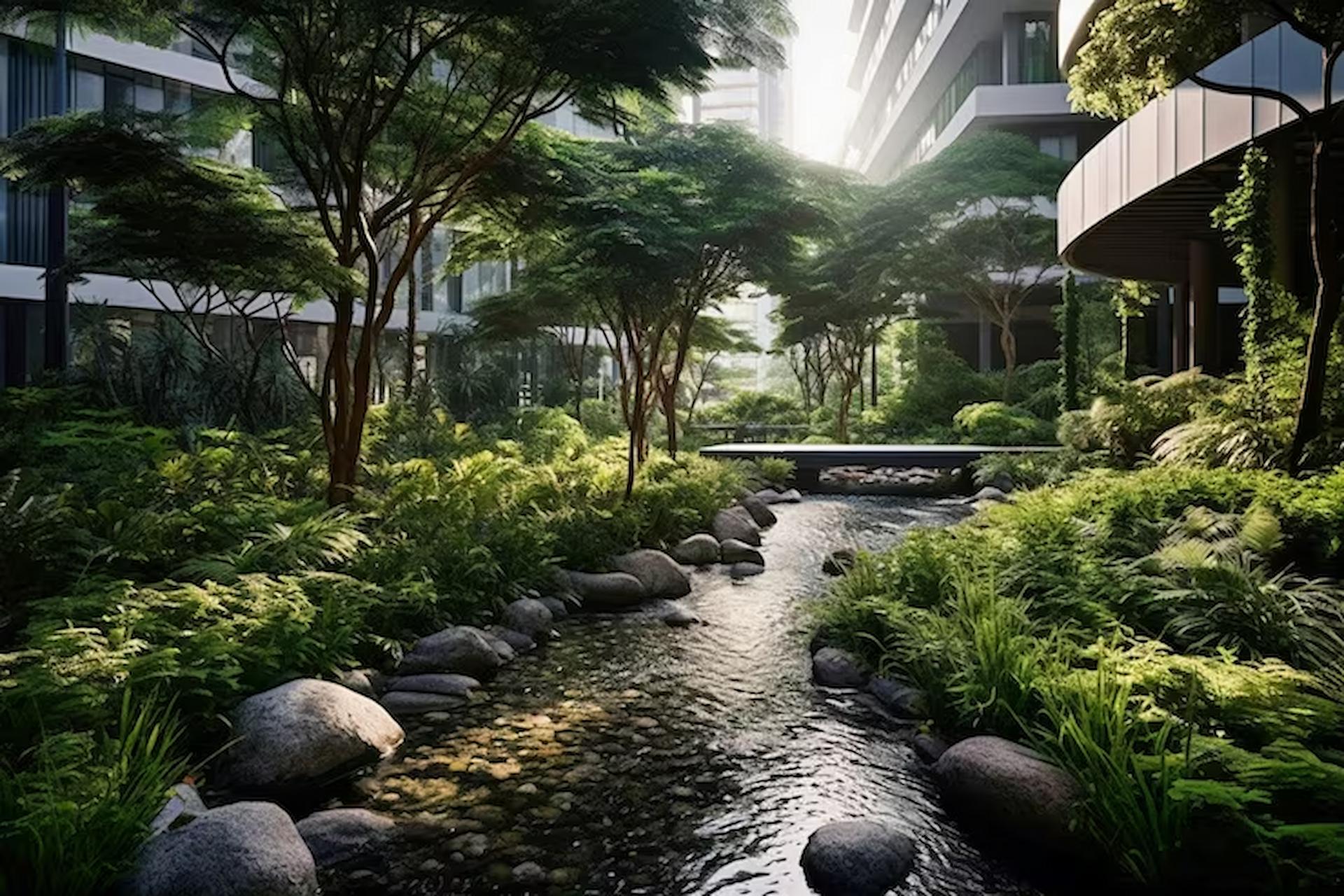

Creating a balanced and sustainable landscape is about more than just planting flowers and cutting grass. It’s a careful process of planning, nurturing, and maintaining spaces that look good, support nature, and work well for people. With the right approach, you can build a landscape that is healthy, eco-friendly, and long-lasting. This guide breaks down the essential steps you need to follow for success, from design choices to ongoing care.
A sustainable landscape is one that thrives without harming the environment. It reduces waste, supports wildlife, and creates spaces that stay beautiful throughout the year.
To achieve this, you need more than a few plants or a tidy lawn. You need smart design, thoughtful planning, and regular care. This is where Landscape Planning Services become useful. They help homeowners, businesses, and communities design spaces that balance human needs with environmental health.
In this article, we explore the main steps to creating a landscape that is both balanced and sustainable. Whether you’re starting from scratch or improving an existing garden, these steps will help you get it right. For those who want deeper insight, Landscape Planning Services can provide expert advice and tailored solutions – click here to learn more.
Step 1: Define Your Vision
Every great landscape starts with a clear vision. Ask yourself:
- Do I want a space for relaxation, play, or food growing?
- Should the design focus on beauty, function, or both?
- How can my choices support nature?
By defining your goals, you avoid random planting and wasted effort. A clear vision keeps your project focused and ensures it meets both personal and environmental needs.
Step 2: Assess the Site
Understanding the land is crucial. Take time to observe:
- Sunlight patterns during the day
- Soil type and condition
- Drainage and water flow
- Existing trees and plants
This assessment helps you make smarter choices. For example, choosing drought-tolerant plants for dry areas, or shade-loving plants under large trees. Working with Landscape Planning Services at this stage ensures you get a professional evaluation, which saves time and resources later.
Step 3: Create a Sustainable Design
Design is about balance. A sustainable design should:
- Use native plants that thrive naturally in the region
- Reduce water demand through smart planting
- Include green spaces for wildlife, such as hedges or bird-friendly plants
- Plan for seasonal beauty, so the space looks good year-round
Adding natural pathways, shaded seating, or rainwater features can also make your landscape both useful and eco-friendly.
Step 4: Choose the Right Plants
Plant choice defines the future of your garden. To build resilience:
- Use native species that need less care
- Mix perennials with annuals for long-term growth
- Plant trees for shade, cleaner air, and climate benefits
- Add flowering plants to attract bees, butterflies, and birds
The right plants reduce maintenance, conserve water, and maintain a naturally balanced landscape.
Step 5: Focus on Water Management
Water is often wasted in poorly designed gardens. To avoid this:
- Install rainwater harvesting systems
- Use drip irrigation instead of sprinklers
- Mulch the soil to retain moisture
- Group plants with similar water needs together
This saves money, conserves water, and makes your garden sustainable in the long run.
Step 6: Build Healthy Soil
Healthy soil is the backbone of a thriving landscape. Improve it by:
- Adding organic compost
- Reducing chemical fertilisers
- Planting cover crops to enrich the soil
- Avoiding over-tilling, which damages the natural structure
Good soil supports plant growth, reduces pests, and increases fertility over time.
Step 7: Encourage Biodiversity
A balanced landscape is full of life. You can attract biodiversity by:
- Planting wildflowers to support pollinators
- Creating small ponds for frogs and insects
- Leaving some natural areas untouched
- Installing bird feeders and insect hotels
This turns your garden into a living ecosystem that supports itself.
Step 8: Use Eco-Friendly Materials
When building pathways, fences, or garden structures, choose materials that last and cause less harm:
- Reclaimed wood
- Recycled stone
- Natural gravel
- Bamboo and other renewable resources
This reduces waste and creates a natural look that blends well with plants.
Step 9: Maintain Regularly
Sustainability does not mean zero maintenance. You still need to:
- Prune plants for health and shape
- Remove invasive species
- Compost garden waste instead of burning it
- Adjust irrigation as seasons change
Simple, regular care prevents problems and keeps your garden thriving.
Step 10: Monitor and Adapt
A sustainable garden is always changing. Seasons, climate, and growth patterns will affect it. Monitor these changes and adapt:
- Replace plants that fail
- Try new methods for soil health
- Adjust layouts if water flow changes
- Keep learning from nature and experts
Adaptation ensures your landscape stays balanced for the future.
Final Thoughts
Achieving a balanced and sustainable landscape takes planning, patience, and care. With the right vision, thoughtful design, and eco-friendly practices, you can create an outdoor space that benefits you, wildlife, and the environment.
Professional support from Landscape Planning Services can help you take the guesswork out of the process and ensure lasting results. To discover tailored advice and practical solutions, click here to learn more.