
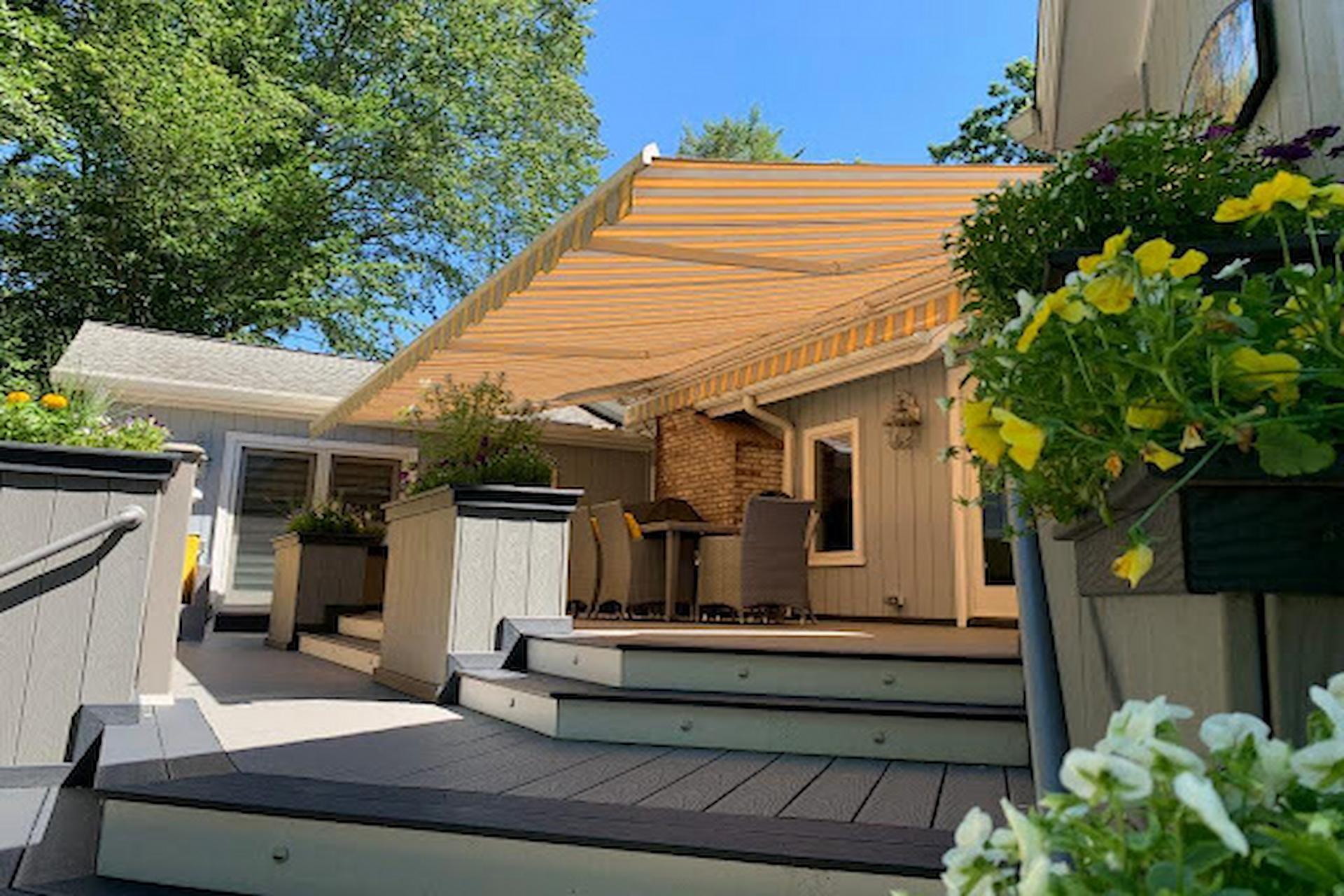

A well-positioned awning does more than provide shade. It reshapes how outdoor and indoor spaces are used, improves comfort, and protects surfaces from wear. Knowing where a house awning performs best helps homeowners make smarter choices that balance practicality, aesthetics, and long-term value across the property.
Awnings have become a defining feature of modern residential design, valued as much for their functional benefits as for their visual impact. When thoughtfully positioned, they regulate sunlight, reduce heat buildup, and extend the usability of outdoor areas without permanent structural changes. The effectiveness of a house awning depends largely on location. Each part of a home interacts with sunlight, weather, and daily routines in different ways. Understanding these interactions is key to choosing the most suitable installation points.
Patio and terrace areas
Patios and terraces are well suited to house awnings, as these leisure spaces are often affected by strong sunlight or light rain. An awning creates a more controlled setting that supports comfortable use throughout the day. Overhead shade reduces UV exposure, keeps surface temperatures lower, and helps protect outdoor furniture from fading. Well-sized awnings also define the area visually without fully enclosing it. Coverage should match how the space is used, with wider projections for dining areas and lighter shade for smaller seating zones.
Garden-facing living spaces
Garden-facing doors and windows are strong candidates for awning installation, as they often allow excessive sunlight into the home during warmer months. Positioned above these openings, a house awning controls light before it reaches the interior, reducing glare and heat build-up. This supports a more comfortable indoor environment without heavy reliance on blinds or cooling. Externally, the awning helps link indoor living areas with the garden, creating a smoother visual and spatial transition between the two.
Windows exposed to strong sunlight
Certain windows receive intense sun for extended periods, depending on the home’s orientation. South- and west-facing windows, in particular, can cause rooms to overheat and furnishings to deteriorate over time. Installing a house awning above these windows addresses the issue at its source.
Window awnings act as passive climate control. They block high-angle summer sun while still allowing softer, indirect light to filter inside. This balance preserves natural brightness without overwhelming the space.
Another advantage is protection. Curtains, flooring, and decorative finishes are less exposed to UV damage when sunlight is moderated externally. Over time, this helps maintain the appearance and condition of interior elements, reducing maintenance and replacement costs.
Balconies and upper-level outdoor spaces
Balconies are often exposed and compact, making them vulnerable to changing weather. An awning provides focused shelter while preserving the open quality of the space. Shade and light rain protection extend usability, which is especially important in urban settings where balconies may be the main outdoor area. Because upper-level awnings are highly visible, proportions and colour should align with the building’s façade to maintain visual balance.
Conservatories and sunrooms
Conservatories and sunrooms are designed to capture light, but excessive heat can limit their usability. Awnings installed externally above these structures provide effective temperature control while preserving their bright character.
Unlike internal shading, an external house awning prevents solar heat from building up within the glazed structure. This keeps temperatures stable and reduces glare, making the space suitable for longer periods of use.
Adjustable awnings are particularly effective here, allowing homeowners to fine-tune light levels throughout the day. This flexibility ensures the conservatory remains comfortable without sacrificing its connection to the outdoors.
Entryways and doorways
Entryways often benefit from awning coverage more than expected. A small house awning above a front or side door protects against rain and strong sunlight while helping keep door surfaces drier and less exposed to weathering. This added shelter creates a more comfortable transition when entering or leaving the home. Visually, an awning frames the doorway, adding depth and a welcoming presence without altering the structure.
Outdoor work and utility areas
Some households use outdoor areas for tasks such as hobbies, storage access, or utility functions. These zones often lack shelter, limiting their usefulness. Installing a house awning here creates a controlled environment that supports regular activity.
Shade in work areas improves comfort and visibility by reducing glare. It also protects equipment and surfaces from direct exposure, helping maintain condition over time.
In these locations, durability and ease of operation should guide awning selection. The focus is less on visual impact and more on consistent performance and reliability.
Factors that influence effective placement
Beyond location, several factors shape how well an awning performs. Sun path, wind exposure, and building features such as wall strength and drainage all affect placement decisions. A house awning should complement the building’s proportions, providing adequate coverage without overwhelming the façade. Material choice and operation style also matter, with fixed designs offering constant shelter and retractable options allowing greater flexibility in multi-use areas.
Long-term usability and visual harmony
Effective awning placement considers not only immediate comfort but also how the installation will perform over time. Areas with regular use benefit most from adjustable systems that respond to changing needs and seasons.
Visually, a well-placed house awning should feel intentional. It should align with openings, echo building lines, and integrate naturally with surrounding features. When these elements come together, the awning becomes a permanent-looking enhancement rather than an add-on.
Conclusion
Choosing where to install a house awning is as much about understanding daily living patterns as it is about managing sunlight and weather. Patios, garden-facing rooms, exposed windows, balconies, conservatories, and entryways all benefit from well-considered coverage. Each location presents different demands, from heat control and glare reduction to shelter and visual balance. The most effective installations are those that respond directly to how a space is used, how it interacts with the sun, and how it fits within the overall design of the home. By focusing on placement, proportion, and purpose, homeowners can ensure their awnings deliver consistent comfort, protection, and long-term value without compromising the character of the property.